Urban Mobility4 mins read
Active Mobility & Micro-Mobility: Integrating Last-Mile Solutions in GCC Master Plans
Creating walkable, connected, and climate-resilient urban spaces.
By Aurelion Traffic Solutions

Introduction
Across the GCC, urban master planning is undergoing a fundamental transformation. Historically dominated by private vehicle infrastructure, modern master plans are increasingly prioritizing walkability, cycling, and micro-mobility integration. Driven by ambitious national sustainability visions—such as the Dubai 2040 Urban Master Plan and Saudi Vision 2030—active mobility is no longer treated as a decorative landscape feature; it is now recognized as a critical pillar of first-and-last-mile connectivity.
Integrating non-motorized transport into high-density developments and extreme climates requires specialized traffic engineering, microclimate mitigation, and dedicated spatial planning.
The Evolution of Last-Mile Mobility in the GCC
As public transit networks—such as metros, light rail, and bus rapid transit (BRT)—expand across major GCC cities, solving the "last-mile" challenge has become essential to maximizing transit ridership. Without safe, comfortable pathways connecting stations to residential and commercial destinations, commuters default back to private vehicles or rideshares, compounding localized congestion.
- Mode Shift Imperative: Shifting short trips (under 3 km) to active transport significantly reduces localized traffic volumes, parking demand, and carbon emissions.
- Micro-Mobility Explosion: E-scooters and shared bicycle schemes have rapidly closed the last-mile gap, but without dedicated infrastructure, they create pedestrian conflict zones and street clutter.
- Climate-Adaptive Design: Overcoming hot summer temperatures requires integrated engineering strategies that combine shaded corridors, microclimate design, and seamless transit integration.
Key Technical Strategies for Master Plan Integration
1. Grade-Separated & Dedicated Right-of-Way (RoW)
Mixing high-speed e-scooters or bicycles with heavy vehicular traffic or dense pedestrian flows creates severe safety risks. Modern master plans incorporate:
- Segregated Mobility Corridors: Physical barriers or grade-separated paths dividing pedestrian walkways, micro-mobility lanes, and vehicular roadways.
- Standardized Geometry & Speeds: Designing micro-mobility lanes with appropriate width (minimum 2.0 to 2.5 meters for two-way flow), smooth turning radii, and designated design speeds (typically 15–20 km/h).
2. Climate-Resilient Active Travel Networks
To make walking and cycling viable year-round, active mobility networks must integrate environmental engineering:
- Shaded Canopy Corridors: Utilizing architectural shading, high-canopy landscaping, and solar structures to reduce ambient temperatures along key pedestrian trunks.
- Cool Pavements & Misting Hubs: Employing high-albedo materials that reduce heat island effects, paired with active cooling points at major transit hubs.
3. Integrated Mobility Hubs & Micro-Fleet Management
Proper micro-mobility integration requires dedicated physical space at key nodes:
- Last-Mile Hubs: Strategically placing micro-mobility docking stations, e-scooter charging bays, and bike-share racks at metro entrances, bus stops, and primary building lobbies.
- Geofencing & Parking Management: Defining designated parking zones and virtual geofences within the transport model to prevent sidewalk obstruction and maintain ADA/accessibility compliance.
Engineering Impact: Benefits for Developers & Cities
Incorporating active transport and micro-mobility during early master plan concept stages delivers measurable returns:
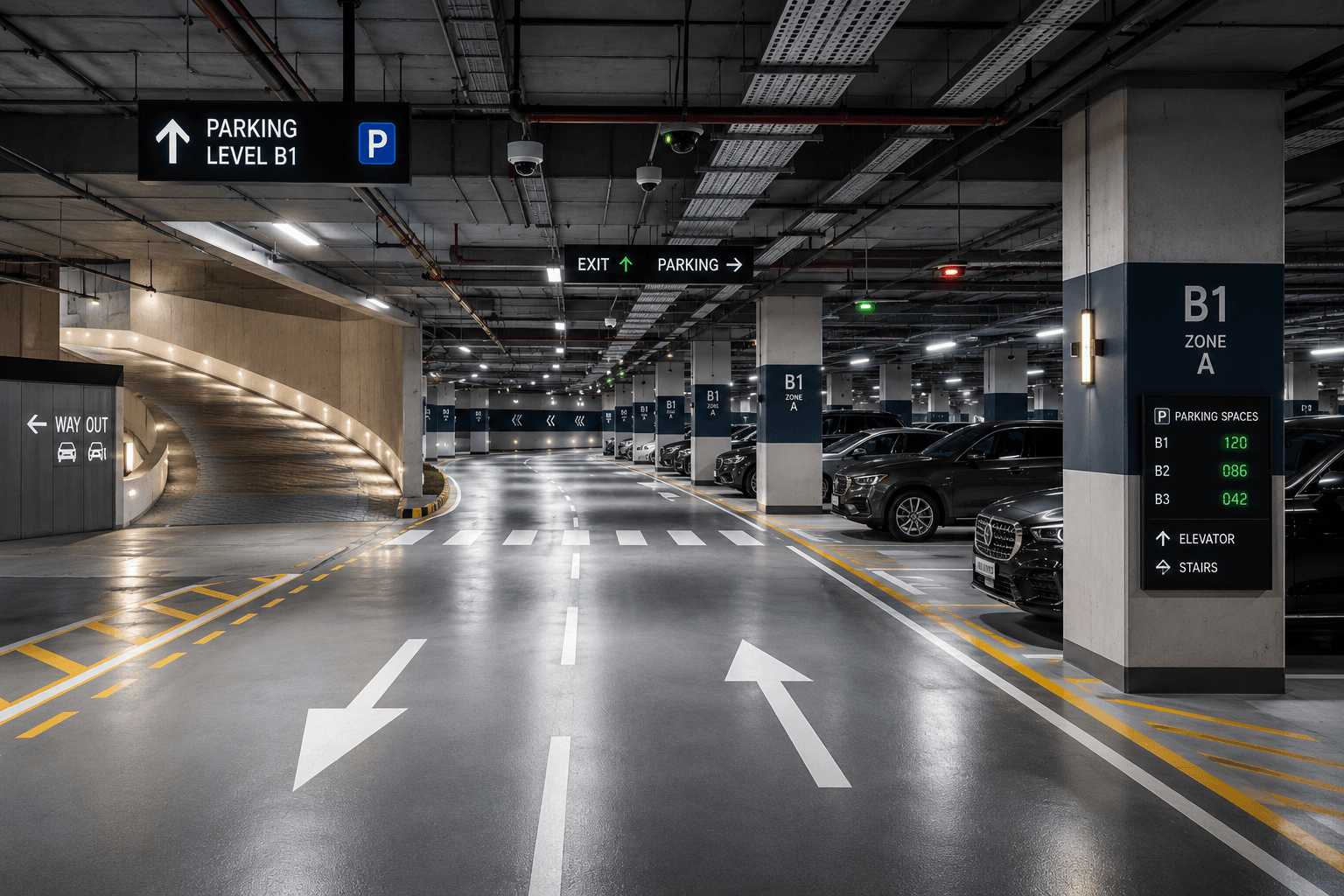
- Reduced Parking Ratios & Infrastructure Costs: Demonstrating a strong mode shift to active transport allows planners to negotiate lower vehicle parking minimums with transport authorities (e.g., RTA, ITC, MOMRAH), drastically reducing underground excavation and basement construction costs.
- Enhanced Public Realm & Commercial Value: Walkable, active streetscapes drive foot traffic to retail and food & beverage assets, increasing commercial yields and property values.
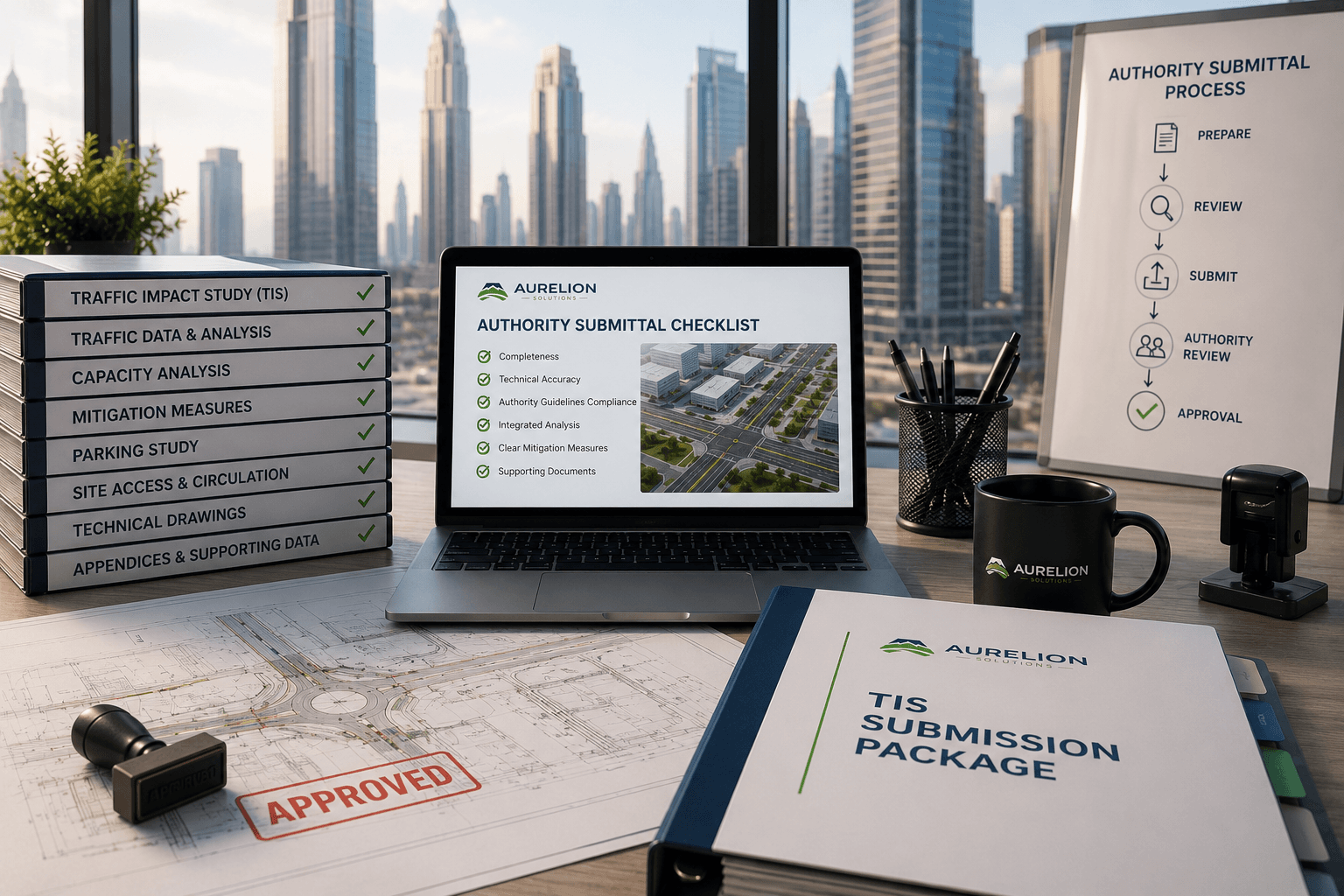
- Smooth Authority Approvals: Demonstrating full compliance with regional walkability, cycling, and multi-modal transport guidelines streamlines master plan approval cycles.
Conclusion
Active and micro-mobility are redefining urban life across the GCC. By transitioning from vehicular-centric layouts to integrated, climate-adaptive active travel networks, master planners and developers can build healthier, more vibrant, and truly sustainable communities.